What Does a Standard Home Inspection Actually Include?
A standard home inspection in Bourbonnais, IL focuses on evaluating the condition and safety of a property's major systems and visible components. Inspectors use a combination of experience, reference standards, and specialized tools to identify defects that may affect the livability or value of a residence. The inspection process is visual and non-invasive, meaning inspectors do not dismantle parts of the home or test hidden elements.
Typical areas and features included in a routine inspection:
- Roof: Inspectors check shingles, flashing, gutters, and chimneys for visible signs of wear, leaks, or damage. They look for evidence of past or active leaks, which can be more common in neighborhoods with mature trees or older housing stock.
- Exterior: Siding, trim, windows, doors, walkways, and driveways are assessed for decay, damage, and general function.
- Foundation and Structure: The visible parts of the foundation, as well as accessible structural elements like framing in basements or crawl spaces, are checked for cracking, settling, moisture intrusion, or pest damage often seen in varied Midwest climates.
- Interior Spaces: Walls, ceilings, floors, doors, and stairways are reviewed for damage and proper operation. Signs of water damage, settling, and unsafe conditions are noted, especially in homes with finished basements or older construction.
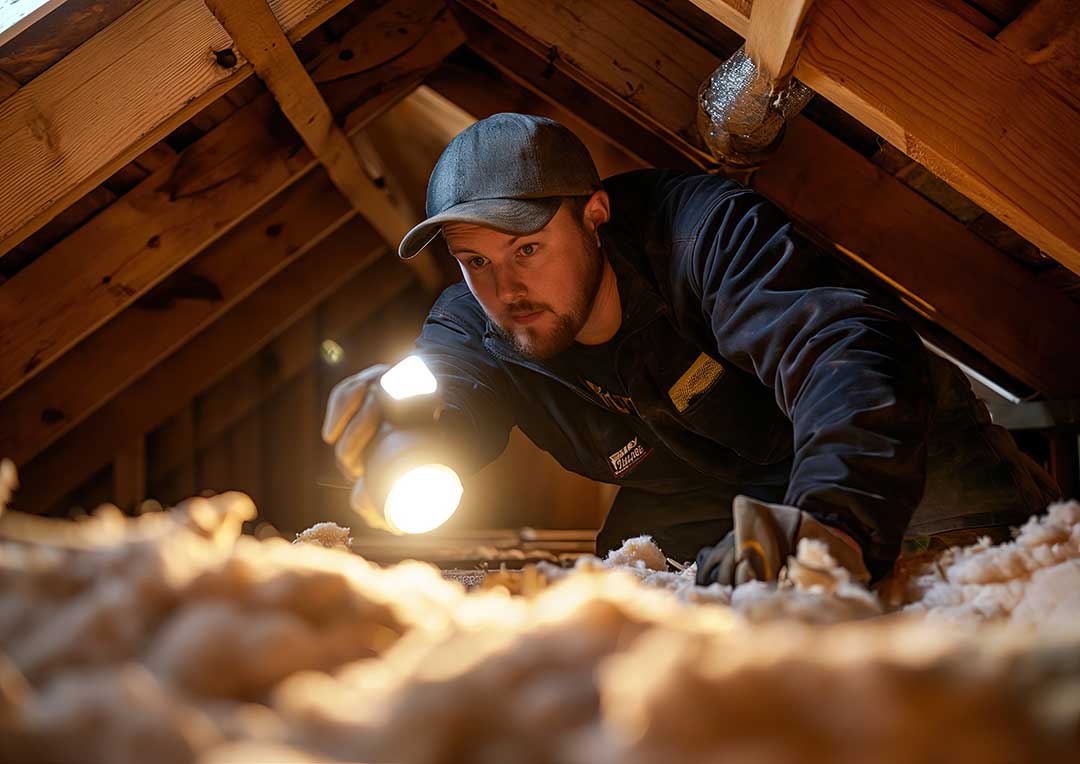
- Attic and Insulation: Inspectors look at the attic for signs of leaks, ventilation, insulation coverage, and possible pest activity, all of which affect comfort in the hot, humid summers and cold winters.
- Heating and Cooling Systems: Furnaces, air conditioners, ductwork, and vents are checked for operation, installation defects, and maintenance issues. However, a detailed check beyond turning the system on or off is not within the basic scope.
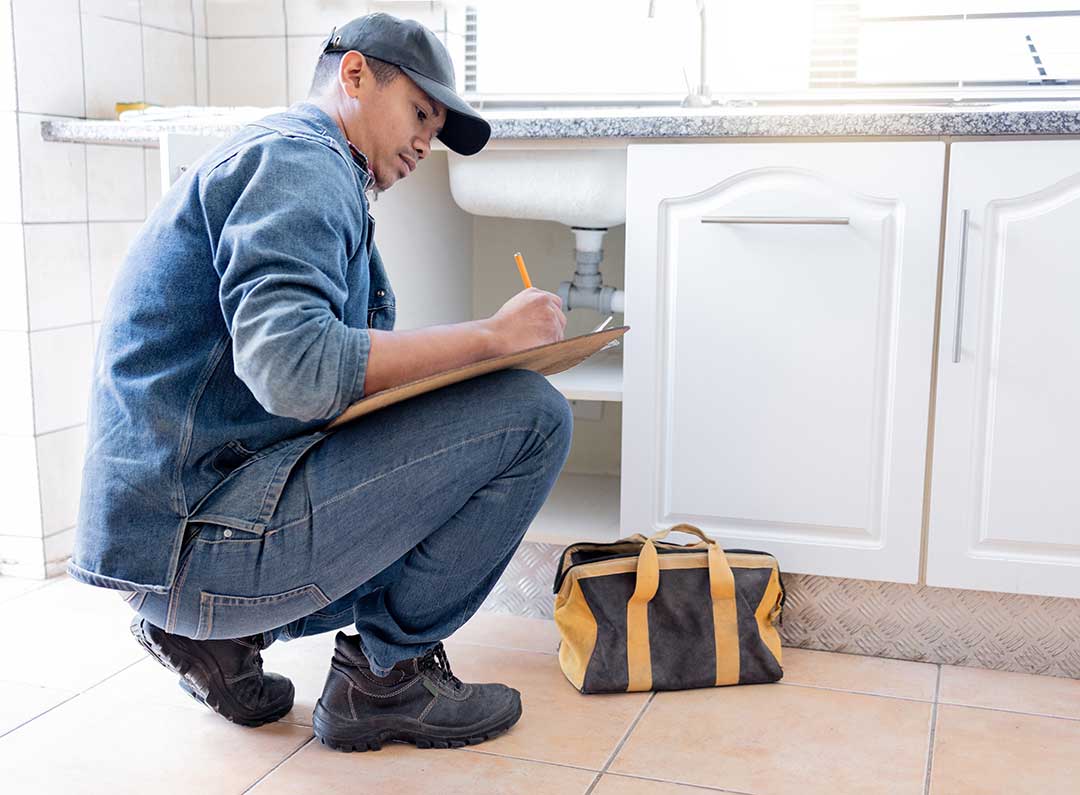
- Plumbing: Visible pipes, fixtures, water heaters, and drains are checked for leaks, corrosion, water pressure, and functional issues. In some older homes in Bourbonnais, unique plumbing arrangements or pipe materials may prompt additional notes.
- Electrical: Inspectors examine service panels, outlets, switches, visible wiring, and ground fault circuit interrupters (GFCIs) for safe installation and signs of hazard.
- Permanent Appliances: Built-in appliances such as ovens, dishwashers, and range hoods are often tested for basic function.
What Isn’t Covered in a Typical Inspection?
A standard home inspection is not technically exhaustive and has specific limitations. Inspectors do not move furniture, open inaccessible panels, or test items that cannot be safely reached. Some areas and issues are routinely excluded:
- Hidden or Inaccessible Features: Inspectors cannot see behind finished walls, under flooring, or inside ducts, so any hidden problems (like wiring in the wall) are not assessed.
- Wells, Septic Systems, and Private Utilities: In Bourbonnais, homes with private wells or septic systems require specialized inspections. Standard checks do not cover water quality tests, septic tank condition, or buried fuel tanks.
- Environmental Hazards: Mold testing, pest inspections, and checks for asbestos, lead paint, or radon are not included but can be especially relevant in older local properties.
- Swimming Pools and Spas: Specialized equipment such as pools, spas, and irrigation systems require separate, in-depth evaluations.
- Solar Panels or Advanced Technology: Inspectors do not assess solar photovoltaic systems, specialized smart home connections, or security systems typical of modern upgrades.
- Cosmetic Defects: Minor paint blemishes, small cracks from settling common over Midwest freeze-thaw cycles, and worn finishes are often excluded unless they indicate a more serious problem.
- Exact Code Compliance: Inspections are not the same as a code enforcement check and do not guarantee that every system meets the latest city or state requirements.
Are Inspections Customized for Bourbonnais Homes?
While underlying standards are similar statewide, local climate, soil conditions, and building trends influence what inspectors pay close attention to in Bourbonnais. Homes in the area may have:

- Basements and Foundation Types: Many local homes include basements or crawlspaces, so inspectors prioritize moisture, sump pump function, and foundation integrity.
- Weather Exposure: Roofs and siding are checked vigorously for hail, ice damming, and water penetration given the regional weather patterns.
- Age-Related Issues: Older homes are more likely to have issues with lead paint, outdated wiring (like knob-and-tube or aluminum), or aged plumbing materials. Inspectors will often explain how these conditions relate to local building types and eras.
Can Sellers or Buyers Request Extra Coverage?
Yes, but extra services such as radon testing, pest inspection, or evaluating detached structures (like barns or large sheds) must be contracted separately. Some buyers want water quality samples, lead paint assessments, or detailed HVAC analysis, especially in homes that have sat vacant or have visible signs of neglect.
Common Myths: What Residents Often Assume is Included
A few common misconceptions about home inspections in the community:
- Assuming a “Pass/Fail” Grade: Inspections do not rate homes as pass or fail; they document observed defects and safety issues.
- Expecting Repairs: Inspectors do not fix issues or offer repair cost estimates.
- Notifying Code Authorities: Reports are not shared with local building departments or the City of Bourbonnais—inspectors work solely for the client, who decides how to use the information provided.
What Happens After the Inspection?
Residents receive a written report—often with photos and summary sections—highlighting both concerns and items in good condition. The report equips buyers, sellers, or homeowners with enough information to make decisions, budget for updates, or seek specialized evaluations.
Understanding both what a home inspection covers and its limits helps local residents set clear expectations, compare homes more effectively, and avoid unwelcome surprises during a real estate transaction or renovation.