


Why Do Home Inspectors Check for Mold?
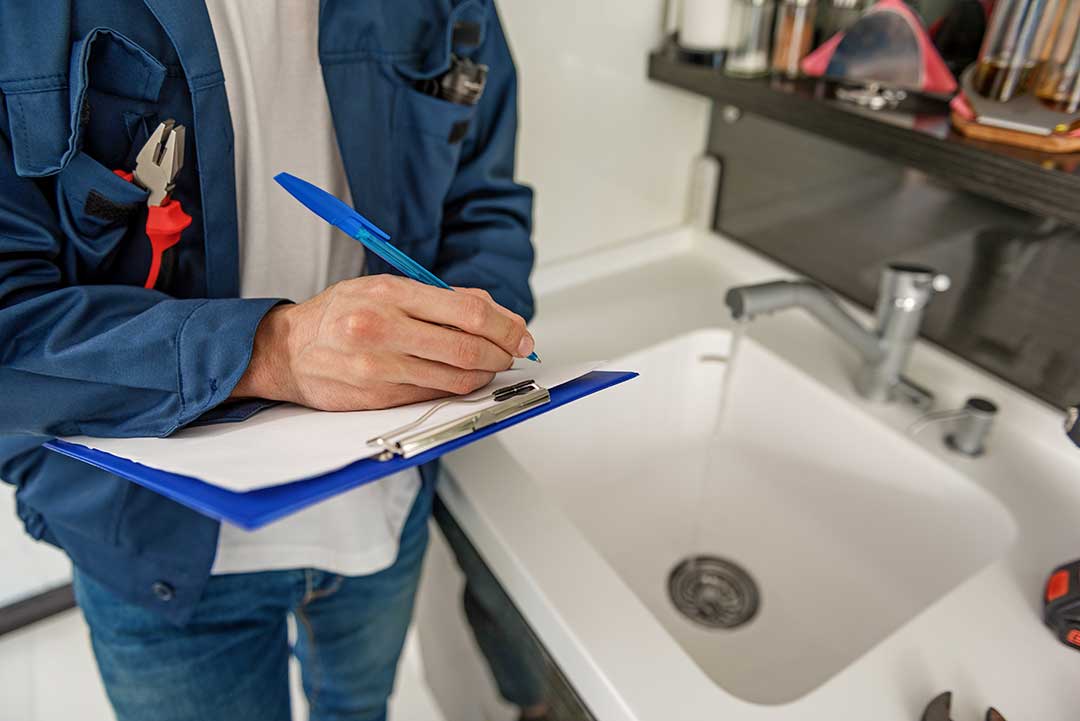
Home inspectors look for mold because it can affect building materials, indoor air quality, and the health of people living in a home. In Bourbonnais, the climate—characterized by cold winters, humid summers, and seasonal rainfall—provides the right conditions for mold growth in hidden or poorly ventilated areas of a house. Inspectors check for signs to ensure a home is safe and sound for residents.
What Are Inspectors Looking For During a Mold Check?
Inspectors are trained to identify mold not just by sight, but also by other clues. They know that mold rarely presents itself only on obvious surfaces. Most often, inspectors look for:
- Visible staining or discoloration, especially in shades of black, green, or white, on walls, ceilings, floors, windowsills, and around plumbing fixtures
- Musty or earthy odors, which may point to active or concealed growth
- Signs of water damage, such as bubbling paint, warped boards, peeling wallpaper, or rust around nails and screws
- Damp or humid areas, especially in basements, crawl spaces, attics, and bathrooms—the common locations for mold due to Bourbonnais’ seasonal humidity changes
Inspectors will also note any areas with recurring leaks, past flooding, or ongoing condensation around HVAC systems, windows, and pipes.
Can Mold in a Home Affect Health or the House Itself?
Yes. Mold is more than a cosmetic issue—its presence can worsen allergy symptoms, trigger asthma, or create respiratory discomfort, especially for young children, older adults, or people sensitive to allergens. Mold also gradually damages wood, drywall, carpet, and other materials, weakening parts of a building if left untreated.
For Bourbonnais households, where basements are common and regular storms or snowmelt can cause moisture issues, even a small unseen leak can create an environment for mold to grow and spread within days.
How Do Inspectors Distinguish Mold From Other Issues?
Inspectors rely on both training and experience. While mold often appears as fuzzy or slimy spots, not every dark patch is mold—some marks may simply be dirt, soot, or water stains. Inspectors may use:
- Moisture meters to measure dampness in walls or floors
- Flashlights and mirrors to check hard-to-reach areas
- Infrared cameras to spot hidden moisture
- Knowledge of building construction to identify high-risk zones based on roof, foundation, and plumbing layouts
They typically record suspicious areas in their reports and recommend further evaluation for potential problem spots.
What Are Common Mold Hotspots in Local Homes?
Bourbonnais homes, particularly those with older construction or unfinished basements, face certain vulnerabilities. Typical hotspots include:
- Below-grade basements, especially corners, walls prone to seepage, and around sump pits or foundation cracks
- Attics that lack proper ventilation or have roof leaks, leading to condensation on roof decking or rafters
- Kitchens and bathrooms, where poor ventilation, dripping fixtures, or ignored spills create lasting dampness
- Laundry rooms and utility areas with unvented dryers or leaking hoses
- Crawl spaces with poor drainage or exposed earth
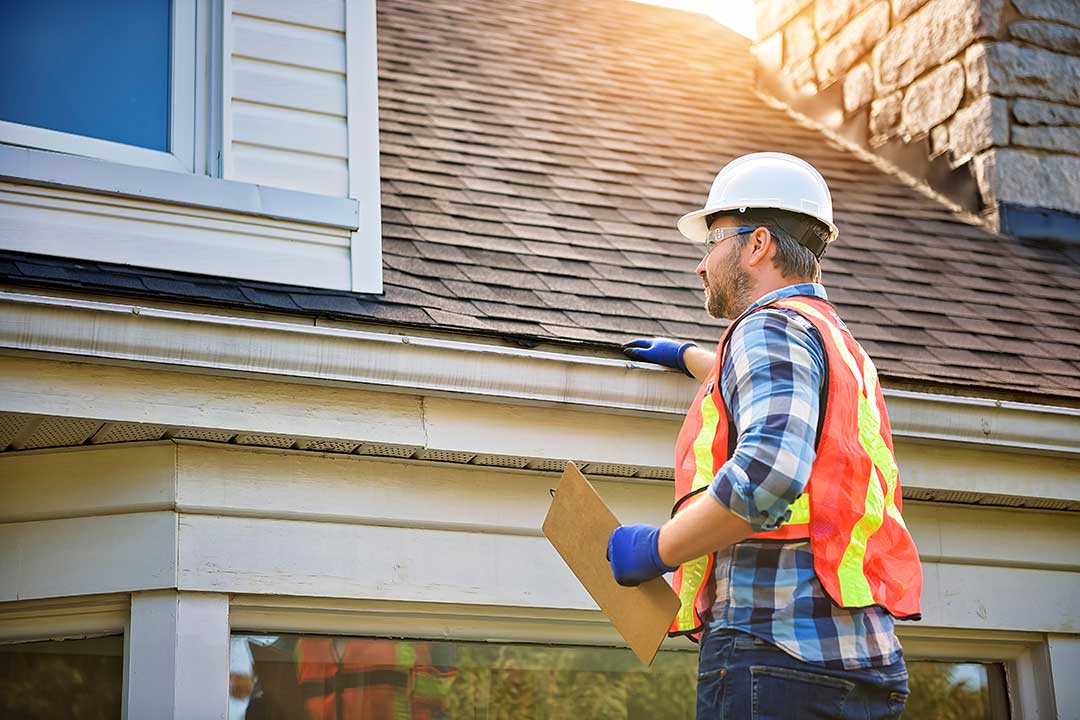
Addressing problems in these areas—such as improving airflow or sealing foundation cracks—goes a long way toward preventing mold.
What Should Residents Do If Mold Is Found?
The best immediate actions are to identify and fix the underlying moisture source (like a leaky pipe, roof, or window) and to clean minor outbreaks promptly with soap and water in small, non-porous spots. Special attention is needed for porous materials like drywall or insulation, since these can trap spores and may need to be removed if significantly damaged. Residents should avoid painting or sealing over mold, as this does not resolve the issue and can worsen long-term damage. For extensive growth, especially affecting hidden areas or causing health issues, further assessment and remediation might be required. Large or persistent mold situations often call for safe cleanup procedures to avoid spreading spores throughout the house.
Are There Unique Seasonal or Local Factors in Bourbonnais?
Yes. In this region, heavy spring rains and snowmelt saturate soil and can result in basement seepage or foundation cracks. Hot, humid summers bring increased indoor condensation—especially in homes with air conditioning and inadequate ventilation. Neighborhoods with older sewer systems or properties near wetlands may also experience episodic flooding, which raises the risk for chronic dampness and related mold. Residents often store items in basements or garages that may soak up humidity, so regular checks and the use of dehumidifiers during peak seasons help reduce risks.
What Are Some Misconceptions About Mold?
There are several misunderstandings that can lead to bigger issues:
- Not all visible mold is dangerous, but any mold means there is a moisture problem needing correction
- Bleach is not always effective, particularly on porous materials or with embedded growth
- Mold isn’t just a problem after major flooding—slow leaks or high indoor humidity can be just as problematic over time
- “Black mold” is not a unique species requiring special fear, but some molds can produce unhealthy compounds regardless of their color
Home inspectors look beyond the surface and focus on all types, since any neglected moisture can harm both a home’s integrity and its inhabitants’ well-being.


