


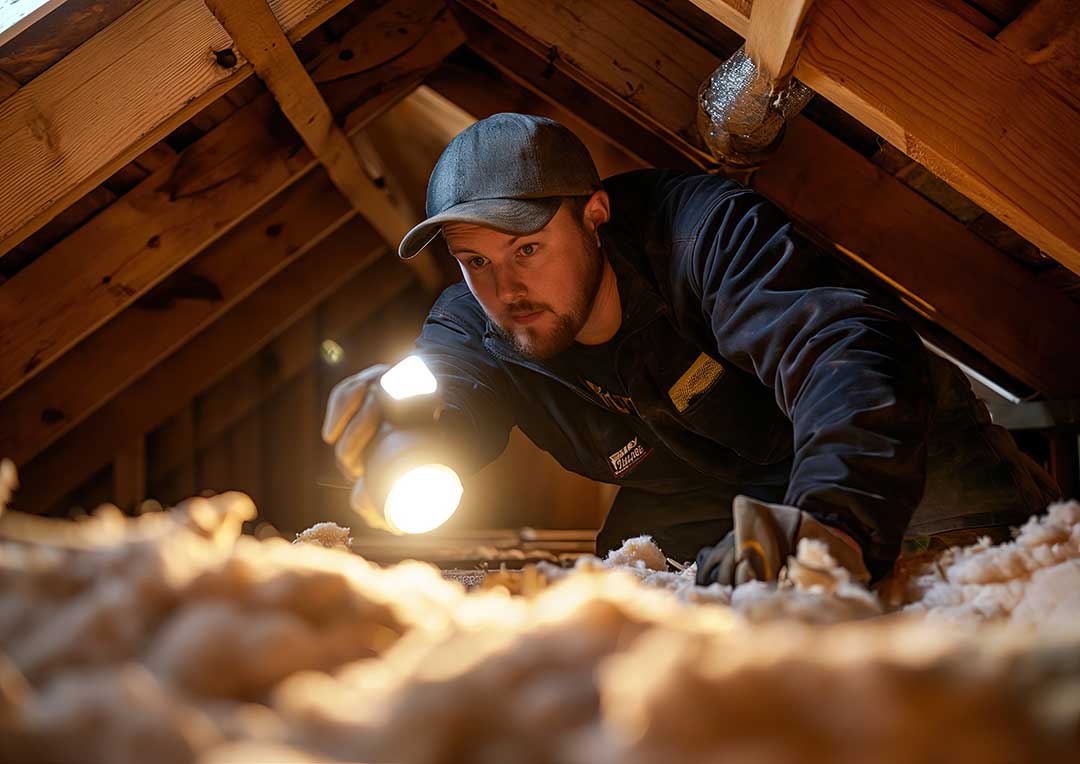
Why Do Inspectors Check for Mold?
Home inspectors routinely assess properties for mold because it can impact the health of residents and the building itself. Early detection is key to preventing bigger problems, especially in areas like Bourbonnais, IL, where seasonal humidity and basement living are common.
Mold growth indoors often signals a water problem—anything from minor leaks to poor ventilation. Inspectors aim to spot conditions that allow mold to thrive, as unchecked growth can lead to costly repairs and health symptoms.
What Signs of Mold Are Inspectors Looking For?
Inspectors look for visible mold, moldy odors, and moisture sources. Many types of mold aren't immediately obvious, so inspectors rely on several clues:
- Discoloration: Black, green, white, or orange patches on walls, ceilings, or floors, particularly in basements, crawlspaces, bathrooms, attics, or areas with plumbing.
- Musty Smells: Persistent, earthy odors that don't go away with cleaning may point to hidden mold.
- Water Stains: Brown or yellow water stains often indicate recurring dampness, which supports mold growth behind surfaces.
- Peeling Paint or Wallpaper: Bubbling or peeling finishes can signal hidden moisture where mold may be growing.
- Condensation: Windows, pipes, or walls with ongoing condensation indicate consistently high moisture—a red flag for possible mold.
Where Is Mold Most Likely to Be Found in the City?
Certain spots in local homes are more prone to mold:
- Basements and crawlspaces: Areas below grade are common trouble spots due to groundwater seepage and less airflow, especially during wet springs and humid summers.
- Bathrooms: Showers, tubs, and sinks can allow moisture to build up, especially if exhaust fans aren't used often—high humidity from everyday use encourages mold on ceilings and grout lines.
- Kitchens: Leaking sink pipes and improper ventilation around stoves or dishwashers create damp conditions.
- Attics: Blocked vents, roof leaks, and insufficient insulation often lead to moisture—mold frequently forms on roof sheathing or around vents.
- Laundry rooms: Older homes or apartments with unventilated laundry spaces can trap heat and moisture.
Why Does Mold Matter for Health and Housing?
Quick answer: Mold affects air quality and may worsen or trigger health issues, particularly for sensitive individuals.
Locally, residents may react in different ways, including:
- Allergy-like symptoms: Sneezing, coughing, nasal congestion, or irritated eyes are common, especially in children, elderly, or those with asthma.
- Chronic exposure: Prolonged mold exposure can lead to breathing problems or aggravate symptoms for people with weakened immune systems.
- Structural damage: Beyond health, mold breaks down the materials it grows on—drywall, wood, and insulation can weaken, resulting in expensive repairs.
Public health guidelines recommend managing indoor mold as soon as it’s found to prevent escalation.
How Do Inspections Uncover Hidden or Overlooked Mold?
Not all mold is visible—the inspection process is designed to spot the less obvious threats:
- Inspectors use moisture meters or thermal cameras to detect dampness in materials even when surfaces appear dry.
- In areas with suspicious odors but no visible mold, inspectors may remove small access panels or check behind stored items in basements or closets.
- Roofs, attics, and crawlspaces often require close-up visual checks and attention to insulation or roof sheathing.
- The presence of efflorescence (white powdery residue) on masonry can tip off inspectors to lingering moisture and mold risks.

Can Mold Problems Be Confused with Something Else?
Mold and mildew are often confused, but they differ in habit and health concern. Mildew tends to be a surface fungus, often white or gray and powdery, that grows on showers or window sills and is less dangerous than some molds. Discoloration caused by paint, dust, or staining may look similar to mold, but inspectors look for texture, pattern, and pairing with moisture sources before confirming possible mold.
What Local Conditions Influence Mold Growth?
Climate in the area brings springtime thaw, summer humidity, and periodic heavy rainfall. These cycles, paired with many homes having basements and mature trees providing shade, make moisture a lingering challenge. Community practices, such as frequent use of dehumidifiers and sump pumps, are part of the local response to mold prevention. Additionally, older building stock—including historic homes and mid-century ranches—may have aging plumbing, insufficient ventilation, or less effective insulation, all contributing to higher indoor moisture levels.
What Should Residents Do if Inspectors Find Mold?
Health agencies recommend removing mold and correcting its cause, particularly if it's more than a small patch. Minor surface mold can generally be cleaned with soap and water if not extensive and if the affected area is less than ten square feet. If mold is widespread or appears to be linked to hidden leaks, structural decay, or significant water events (such as sewage backups), more specialized removal may be necessary, especially if residents are concerned about allergies or respiratory conditions. Above all, long-term solutions focus on controlling dampness:
- Repairing leaks in roofs, walls, and plumbing
- Improving home ventilation, especially in moisture-prone rooms
- Using dehumidifiers as needed, particularly during humid months
Proactive maintenance, careful cleaning, and seasonal checks for leaks are practical steps area households can take to limit mold risks in the home.


