What Does a Standard Home Inspection Cover?
A standard home inspection in Bourbonnais, IL typically addresses the overall condition of the property’s main structures and basic systems. The aim is to give buyers, sellers, and current homeowners a clearer understanding of what’s functioning as expected and where problems might exist.
Local inspectors commonly examine these categories:
- Structural components, such as visible foundation, walls, floors, ceilings, and the roof
- Exterior features, like siding, walkways, porches, gutters, and grading near the home
- Roofing materials and the roof’s visible condition, including shingles, chimneys, and rain gutters
- Plumbing systems, from visible pipes and fixtures to water heaters and hose bibs
- Electrical systems, including the main panel, visible wiring, outlets, switches, and light fixtures
- Heating and central air conditioning (as weather and access permit), especially for traditional forced-air systems common in area homes
- Interior elements, such as doors, windows, floors, stairs, and visible insulation
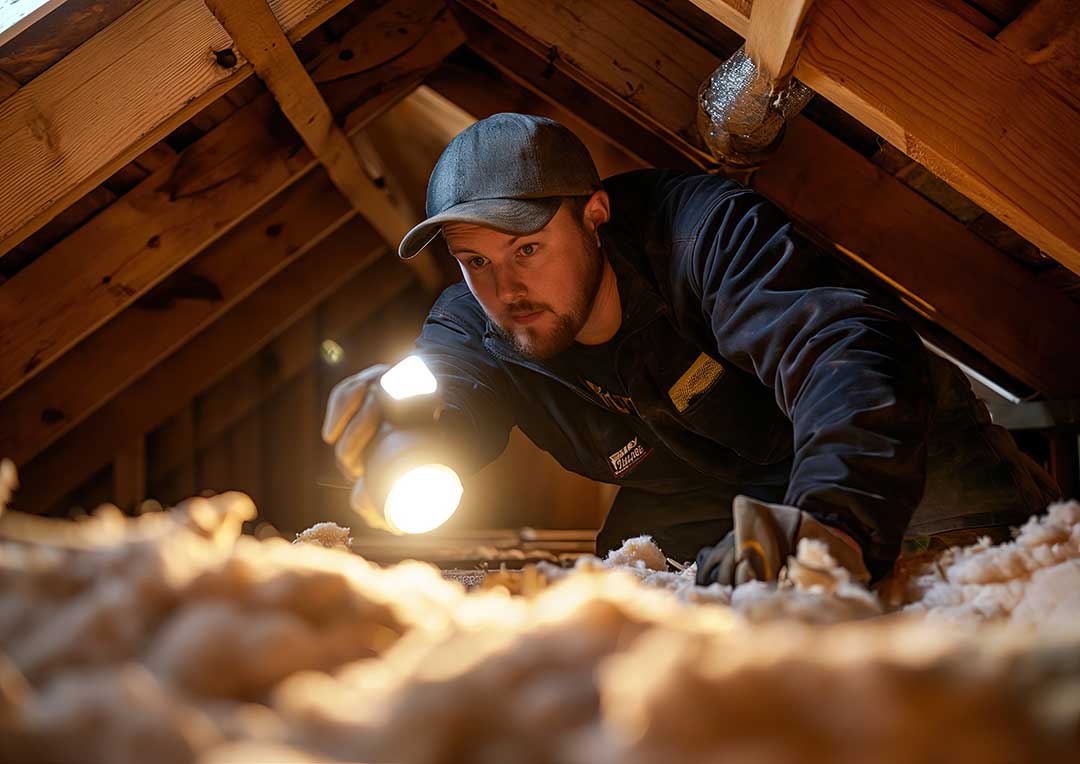
- Attics and crawlspaces, if accessible, for signs of leaks, pests, or ventilation concerns
- Basement and garage, noting major leaks, cracks, or obvious safety issues
Inspections do not pass or fail a house. Instead, the report highlights defects, deferred maintenance, or items that may warrant further review. This overview is not exhaustive but reflects what’s typically included during a walkthrough in the region.
Are Appliances Checked During an Inspection?
Essential built-in appliances are usually operated briefly to verify basic function, but portable or aging appliances might not be covered.
Inspectors generally look at:
- Ovens, ranges, cooktops, and built-in dishwashers (installed, not countertop models)
- Built-in microwaves only if they’re considered permanent fixtures
- Garbage disposals and exhaust fans
However, appliances like refrigerators, washers, dryers, countertop microwaves, or standalone freezers are usually not included, as their performance isn’t considered part of the house itself. Even with tested appliances, inspectors focus on safe operation, not comprehensive performance or future lifespan.
What’s Not Included in a Standard Inspection?
Some concerns fall outside the scope of a routine inspection. Residents should be aware of what’s not reviewed to avoid surprises.
Not included:
- Hidden flaws inside walls, under floors, or behind heavy furniture
- Environmental hazards, such as lead paint, asbestos, radon, or mold testing (though visible signs may be noted)
- Pests, including termites or carpenter ants, unless visible damage is seen (separate pest inspections are available)
- Septic systems, private wells, or cisterns (unless specifically contracted)
- Pool and spa systems
- Outbuildings or detached structures, unless specifically agreed on
- Code compliance or municipal violation checks
- Specialty systems, like lawn irrigation or smart home technology
Inspections are visual and non-invasive, focusing only on what can be safely accessed at the time of the appointment. Buried, shut-off, or locked components are skipped unless made accessible in advance.
Do Inspections Include Testing for Local Weather and Climate Risks?
The area’s cold winters, heavy spring rains, and humid summers create unique stressors for homes, but inspectors do not perform dedicated weather resistance tests.
They will note evidence of:
- Ice damming or past roof leaks from winter storms
- Basement seepage or foundation cracks linked to shifting soil or water intrusion
- Signs of condensation, humidity, or improper ventilation

While general waterproofing or insulation issues might be visible, home inspections do not include energy audits, infrared scans, or engineering analysis unless specifically requested. Homeowners in the community concerned about these risks may seek specialized testing.
What About Safety Equipment and Hazardous Materials?
Smoke detectors, carbon monoxide alarms, and fire extinguishers are checked for presence and placement, but inspectors do not run diagnostic tests or replace batteries. Inspections do not confirm:
- The effectiveness of installed security systems
- The presence or absence of hazardous gases unless mentioned by obvious smell or labeling
- The performance of sump pumps during dry weather
If there are obvious immediate dangers—such as exposed wires, missing guardrails, or visible gas leaks—these are highlighted, but not all safety systems are operated or dismantled.
Can Buyers Use Inspection Reports to Negotiate Repairs?
Inspection reports are informational, highlighting areas where repairs may be advisable or necessary. Common flagged issues in area homes include minor roof leaks, aging plumbing, or outdated electrical panels. However, inspectors do not:
- Provide repair estimates
- Order repairs
- Act as mediators between buyers and sellers
The report’s purpose is to give actionable information for negotiations or immediate home care, not to set exact costs or mandate improvements.
Are There Common Misunderstandings About Home Inspections?
Many area homeowners expect a home inspection to be a guarantee or warranty, but this is not the case. The inspection helps buyers and residents make better decisions based on what is visible and accessible during a limited window of time. Key misconceptions include:
- Believing the inspection “passes” or “fails” a house (no pass/fail, just reporting)
- Assuming hidden or future problems are detected (inspectors cannot see inside walls or below ground)
- Thinking the report covers code violations (it may note outdated practices, but not enforce codes)
This process helps everyday residents gain practical knowledge to support safer, more secure living in their homes.