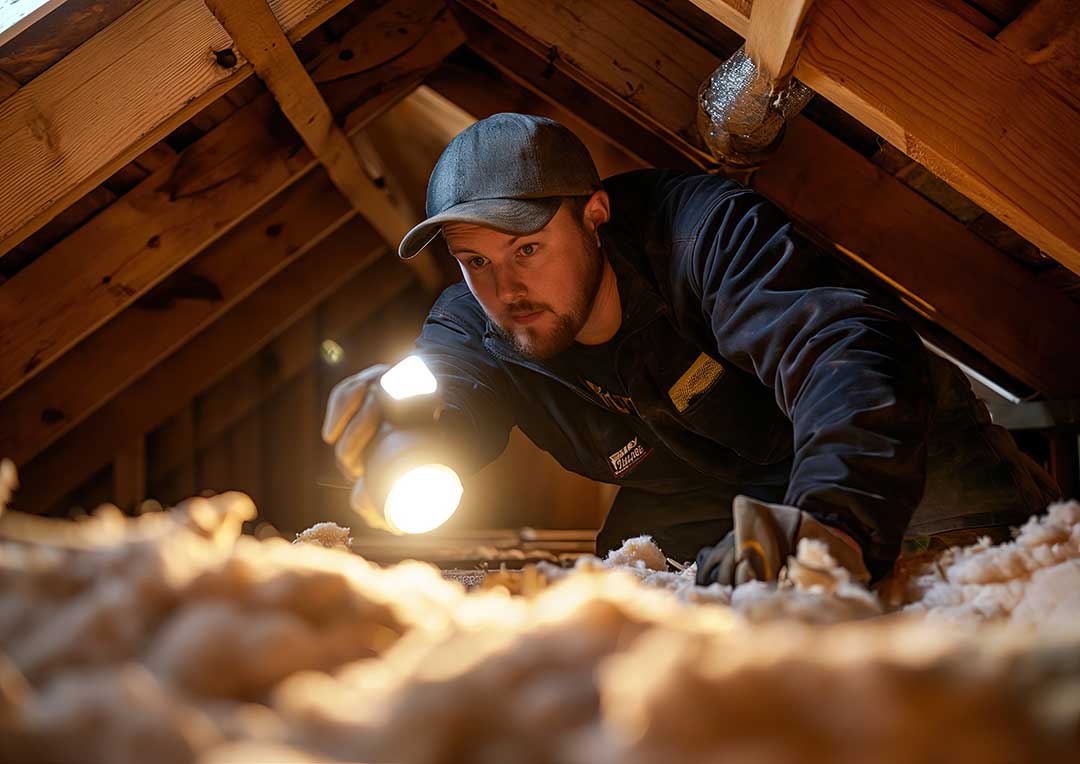
What Is a Home Inspection and Why Do Residents Request One?
A home inspection is a thorough visual assessment of a property’s condition, typically ordered during a real estate transaction. Residents often request inspections to gain an informed understanding of a home's state before finalizing a purchase or sale. The process involves an independent inspector examining key components, from the roof to the foundation.
Home inspections are valued because they offer:
- Clarity about the actual condition of a property
- Peace of mind for buyers and sellers alike
- Insight to help avoid unexpected repairs or disputes after moving in
For residents of Bourbonnais, the process supports informed decisions in a housing market where properties range from older homes with legacy systems to newer suburban builds with modern systems.
How Do Home Inspections Fit into the Real Estate Process?
Home inspections frequently occur after a purchase offer is accepted, but before the sale is final. They are considered a routine contingency, giving buyers the opportunity to learn more about the property and potentially renegotiate or withdraw from the deal if significant issues surface.
A typical sequence: 1. Offer accepted. 2. Home inspection scheduled—usually within a few days. 3. Inspection performed; a written report follows. 4. Buyers (sometimes with their real estate agent) review results. 5. Based on findings, buyers may request repairs, ask for credits, or decide to continue without changes.
This step-by-step process is designed to protect buyers, though sellers also benefit by confirming their property’s readiness for transfer.
What Does a Home Inspector Examine?
Trained inspectors conduct a non-invasive visual review, not a code-compliance audit or an appraisal. The main areas include:
- Structural elements (foundations, walls, ceilings, floors, roof)
- Exterior features (siding, chimneys, driveways, decks)
- Interior spaces (doors, windows, stairs)
- Major systems (electrical, plumbing, heating, and cooling)
- Attics and crawl spaces
- Basements, sump pumps, and visible drainage patterns
In Bourbonnais, inspectors often pay extra attention to:
- Evidence of moisture intrusion in basements due to local weather patterns
- Seasonal impacts on roofs and exterior elements
- The condition of heating systems, since cold-weather performance is crucial
What Is Not Covered by Standard Home Inspections?
Home inspections are informative but have limits. Inspectors do not:
- Move furniture or personal items to inspect hidden areas
- Open walls or remove finishes
- Test for environmental hazards such as radon, lead paint, or asbestos unless specifically requested and beyond the scope of a standard inspection
Understanding these boundaries helps set realistic expectations and may prompt residents to seek specialized testing if concerns arise based on age or type of home common in the community.
What Are Common Findings in Area Homes?
Common issues include:
- Minor roof wear or loose shingles, often after winter storms
- Signs of past basement water entry or minor foundation cracks
- Outdated electrical panels in older homes
- Inefficient or aging HVAC systems, a concern during local winters
- Deteriorated exterior caulking or weatherstripping, due to freeze-thaw cycles
Buyers should recognize that almost all homes have some imperfections; the severity and implications vary widely.
How Should Buyers and Sellers Use Inspection Results?
Inspection findings provide negotiation leverage and clarity but are rarely intended as a checklist for perfection. Buyers can use the report to:
- Request specific repairs
- Ask for price adjustments or closing credits
- Walk away if a major, undisclosed issue is found

Sellers can:
- Address simple repairs in advance to make transactions smoother
- Provide full disclosure, which can foster buyer confidence and smoother closings
An open, solution-focused discussion of results is typically most productive. In many transactions within the area, buyers and sellers reach mutual agreements on repairs based on reasonableness rather than demanding cosmetic fixes.
Are Home Inspections Required or Just Recommended?
Home inspections are not legally mandated for private real estate sales in most cases, but they are a standard practice. Mortgage lenders may require appraisals, but an inspection is usually separate and optional. Residents benefit from understanding that skipping an inspection to speed up a deal may introduce risk, as undiscovered problems can lead to larger expenses down the road—especially in properties susceptible to moisture intrusion or weather-related aging.
How Do Local Conditions Impact Home Inspections?
Bourbonnais faces a climate with cold winters, periodic storms, and seasonal humidity. Inspectors routinely consider:
- Insulation and attic ventilation, which affect energy bills and comfort
- Gutter performance and grading, important for preventing basement moisture
- Exterior elements exposed to repeated freeze-thaw cycles that can accelerate wear
Additionally, the area’s mix of older and newer homes produces a wide range of inspection concerns—from decades-old wiring to new construction settling.
What Misconceptions Do Residents Have About Home Inspections?
A few common misunderstandings:
- Believing an inspection is a guarantee: It’s an expert assessment, not a warranty.
- Expecting every flaw to be uncovered: Some hidden or latent defects can go undetected.
- Thinking every issue must be fixed by the seller: Negotiations are expected, but no property is flawless.
Understanding the real role of inspections helps both buyers and sellers approach transactions prepared and informed.
When Is Additional Specialized Testing Needed?
Some situations prompt further evaluation beyond a basic inspection:
- Suspected mold, especially in damp basements or attics
- High radon zones, sometimes found in the region
- Old plumbing that may contain lead or galvanized steel
- Chimney and fireplace safety in homes with older masonry
As homes in the area age, these specialized checks are increasingly relevant, especially for families with health concerns or those considering significant renovations.