What Is a Home Inspection and Why Does It Matter in Bourbonnais, IL?
A home inspection is an unbiased visual examination of a home’s accessible features and systems before a sale closes. In Bourbonnais, IL, this process helps both buyers and sellers avoid surprises and make informed choices based on the current condition of the property.
Many local homeowners consider inspections routine, but they’re more than a simple formality. Inspections are often a key step that reveals issues such as aging roofs, improper electrical work, hidden water leaks, or concerns with basements—a common feature in many Bourbonnais houses due to the area’s housing stock and climate.
How Does a Home Inspection Usually Work?
Typically, after an offer is accepted, the buyer arranges a home inspection. The inspector visits the property and spends a few hours examining visible components, including:
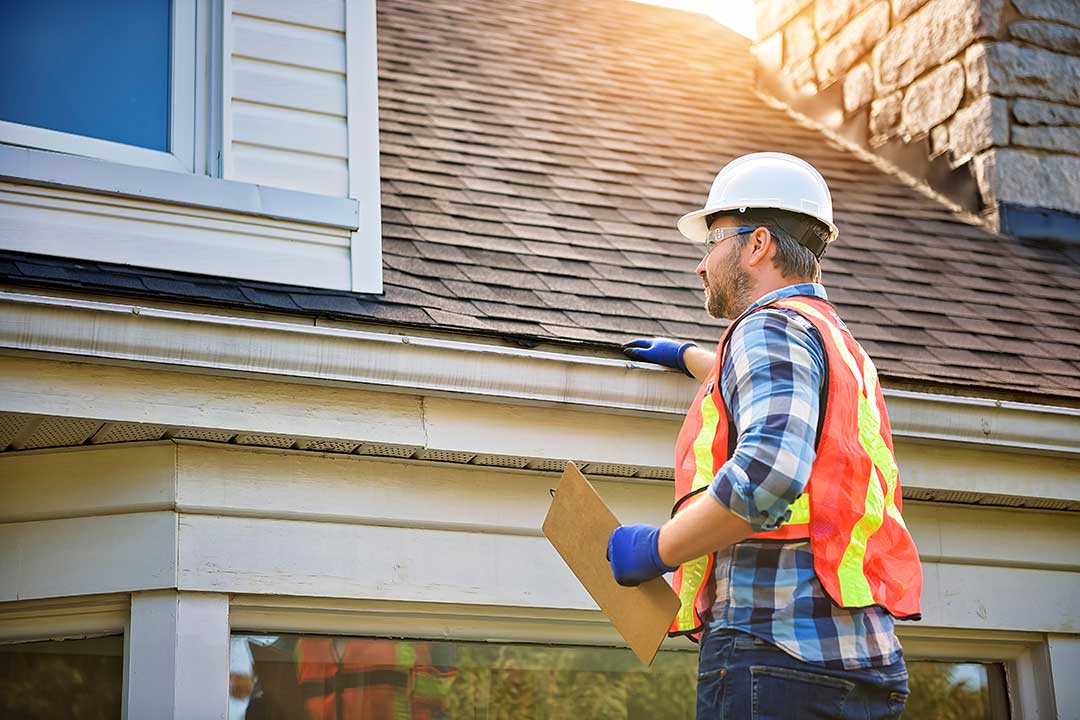
- Roof and gutters
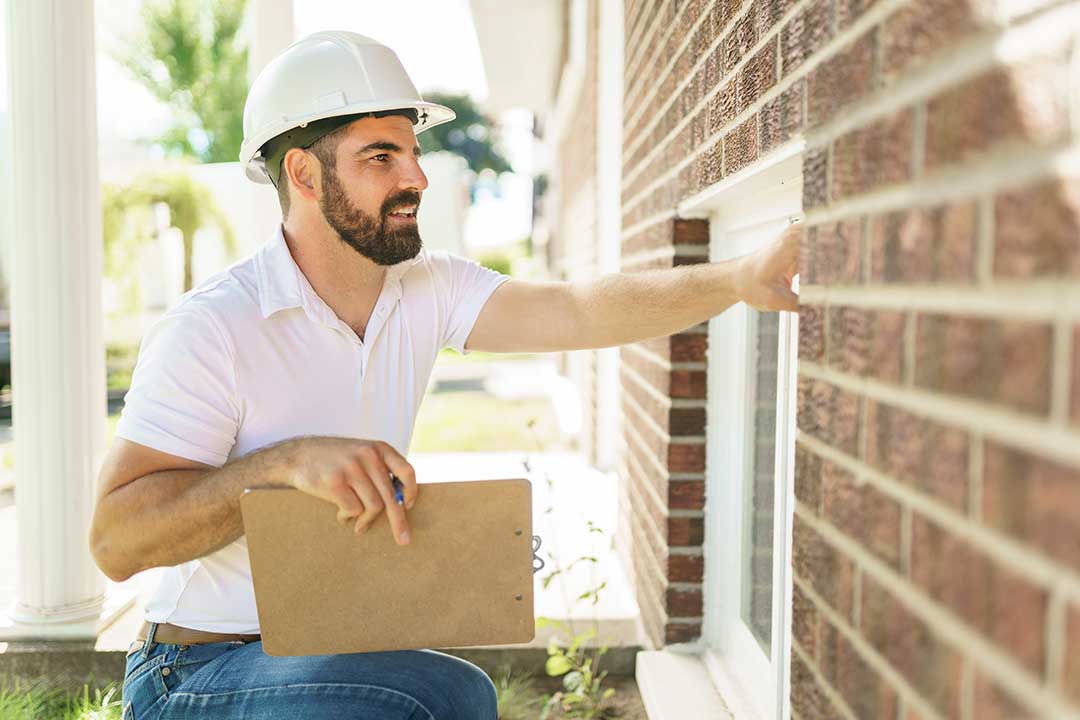
- Exterior siding and windows
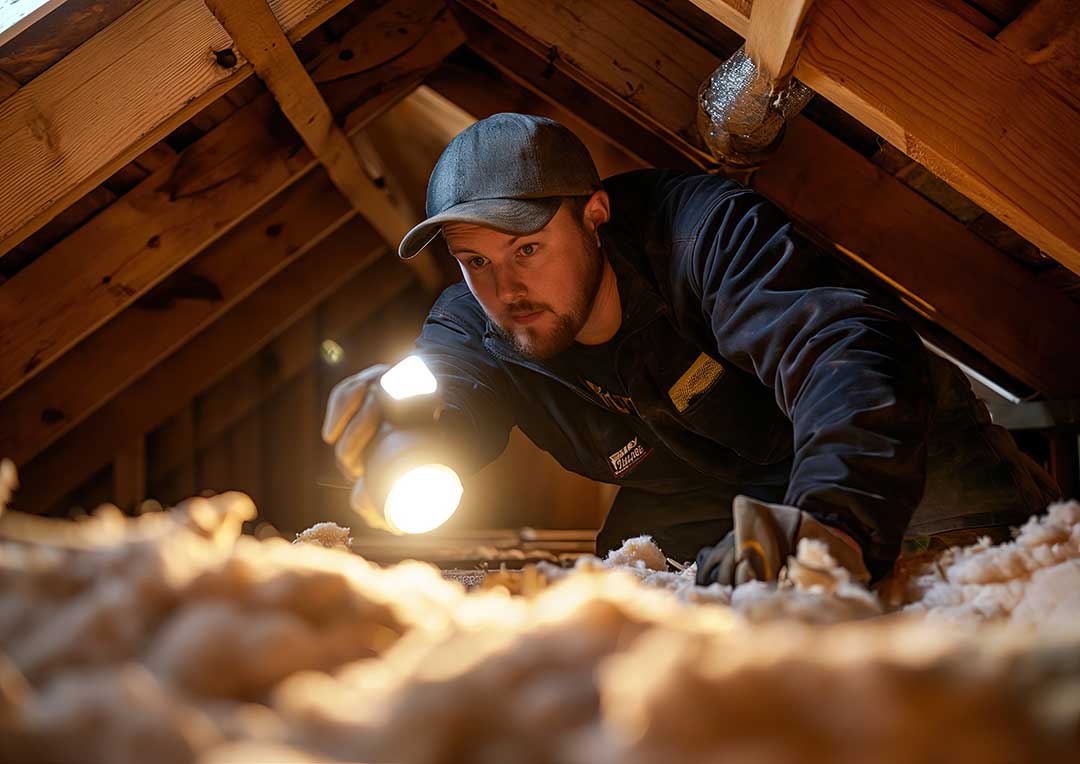
- Attic and insulation
- Basement or crawl space, foundation, and structure
- Plumbing and electrical systems
- Heating and cooling systems
- Major appliances
In this area, special attention is often paid to basements and crawl spaces for signs of moisture or past water entry. Once the inspection is completed, the inspector provides a written report, often including photos and descriptions of any issues found.
What Are Typical Findings in the Community?
Bourbonnais has a mix of older and newer homes, so inspection findings can vary widely. Some of the most common issues reported include:
- Basement moisture or signs of previous flooding, especially after heavy rains or spring thaw
- Aging roofs or missing shingles due to Midwest weather conditions
- Outdated electrical panels or ungrounded outlets
- Settling foundations with visible cracks
- Minor plumbing leaks under sinks or at water heaters
Many local homes also face concerns with efficient heating or cooling, especially older properties that may not have modern insulation.
How Do Inspection Outcomes Affect Buyers and Sellers?
The results of a home inspection can influence next steps in the transaction. For buyers, discoveries like a roof at the end of its lifespan or major plumbing issues might prompt negotiations, requests for repairs, or—in rare cases—backing out within the contract’s inspection contingency period.
For sellers, knowing common local issues ahead of time allows for proactive repairs or honest disclosure. This can help smooth the negotiation process and reduce the risk of deals falling apart late in the process.
What Does a Home Inspection Not Cover?
Home inspections are thorough visual assessments, but they aren't exhaustive or invasive. They generally do not:
- Predict future performance of components (like when exactly a furnace will fail)
- Include examinations inside walls or underground pipes
- Cover code compliance unless something is overtly unsafe
- Guarantee that a home is free from pests, mold, or radon—though inspectors may recommend further testing if signs are found
Local homeowners sometimes assume an inspection will reveal everything, but it’s a snapshot in time. Particularly in areas with varying groundwater levels, past water damage might not be visible if repairs were recently made.
How Are Local Factors Reflected in Home Inspections?
In Bourbonnais, the climate and seasonal patterns influence the inspection focus. Cold winters and spring freeze-thaw cycles can be tough on roofs, foundations, and exterior trim. Inspectors often pay extra attention to attic ventilation, insulation levels, and the performance of heating systems. Frequent temperature swings can stress plumbing lines, and older homes may have pipes at higher risk for freezing. Inspectors usually check for pipe insulation and signs of leaks, especially in unheated basements and garages.
Can Inspections Be Skipped?
While some buyers consider waiving inspections in competitive markets to make their offer more attractive, this approach carries significant risk. Unseen water damage, foundation problems, or outdated electrical systems can lead to costly repairs down the road. In Bourbonnais, where homes may have been remodeled over time or are more than a few decades old, skipping inspections often results in missed problems unique to area housing stock.
What Happens After the Inspection?
After receiving the inspection report, local buyers typically review findings with their real estate agent and may:
- Request repairs for major safety or structural issues
- Ask for credits or price reductions
- Move forward if the report is satisfactory
- Withdraw from the purchase if serious undisclosed problems appear
Sellers who have obtained pre-listing inspections can often anticipate buyer concerns and address them efficiently. For both parties, working with factual, clearly presented information makes negotiations smoother and helps prevent misunderstandings at closing.
Misconceptions and Overlooked Issues
A common misconception is that a passed inspection means a home is flawless. In reality, every house—old or new—may have minor issues. Inspections are designed to spotlight significant concerns, not guarantee a maintenance-free property. Another error is neglecting seasonal risks. During wet springs, a dry basement might still be at risk depending on grading, gutters, and sump pump functioning—all worth clarifying in the report.
Finally, some residents underestimate small, flagged items such as ground sloping toward foundations; over time, these can lead to more serious moisture intrusion, a key concern in the community.