What Issues Are Frequently Found in Homes During Inspections?
Home inspections in Bourbonnais, IL routinely uncover various concerns, from maintenance issues to structural and safety risks. While every property is unique, a handful of recurring themes stand out, shaped by the region’s climate, building age, and local architecture. Understanding these typical findings provides area residents with realistic expectations and guidance for proactive maintenance.
Why Do Plumbing Problems Show Up So Often?
Plumbing issues are among the most common discoveries. Many homes in the community, especially those built before the 1990s, may have aging pipes or outdated fixtures. Inspectors often detect leaks under sinks, in basements, or behind water heaters—sometimes spotted only by subtle moisture stains or low water pressure.
Frozen pipes during Illinois winters can result in hidden cracks or bursts, and hard water can accelerate mineral buildup that restricts flow in older supply lines. Homeowners may also overlook slow-draining fixtures until inspection, which can hint at deeper clogs or venting troubles. While many minor leaks are fixable, larger issues may lead to water damage or mold if not addressed early.
What Electrical Concerns Are Typically Flagged?
Electrical safety is central, particularly in homes with older wiring or add-ons done over many years. Inspectors in Bourbonnais frequently encounter:
- Missing or non-functional ground fault circuit interrupters (GFCIs) in kitchens, bathrooms, and garages
- Overloaded breaker panels with improper or outdated configurations
- Ungrounded outlets—especially in homes built before grounded wiring was standard
- Exposed splices, double-tapped breakers, or unsecured wiring in attics and crawlspaces
Such issues are not always obvious to residents but are vital for household safety, since outdated wiring increases the risk of electrical fires.
How Does Climate Affect Roofing and Attic Issues?
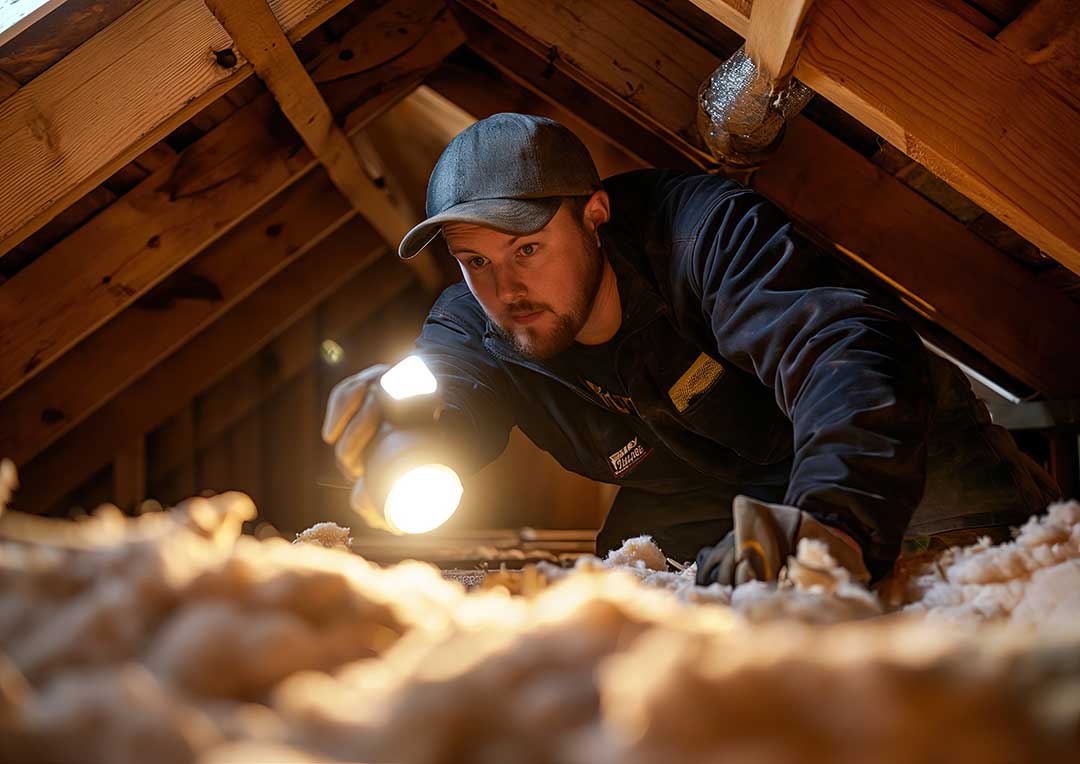
With harsh winters, humid summers, and occasional storms, roof wear is consistently revealed in local home inspections. Asphalt shingles commonly show signs of granule loss, curling, or missing sections due to repeated freezing and thawing cycles. Inadequate flashing or old vent boots often contribute to roof leaks, which can sometimes be spotted only by attic stains or insulation dampness.
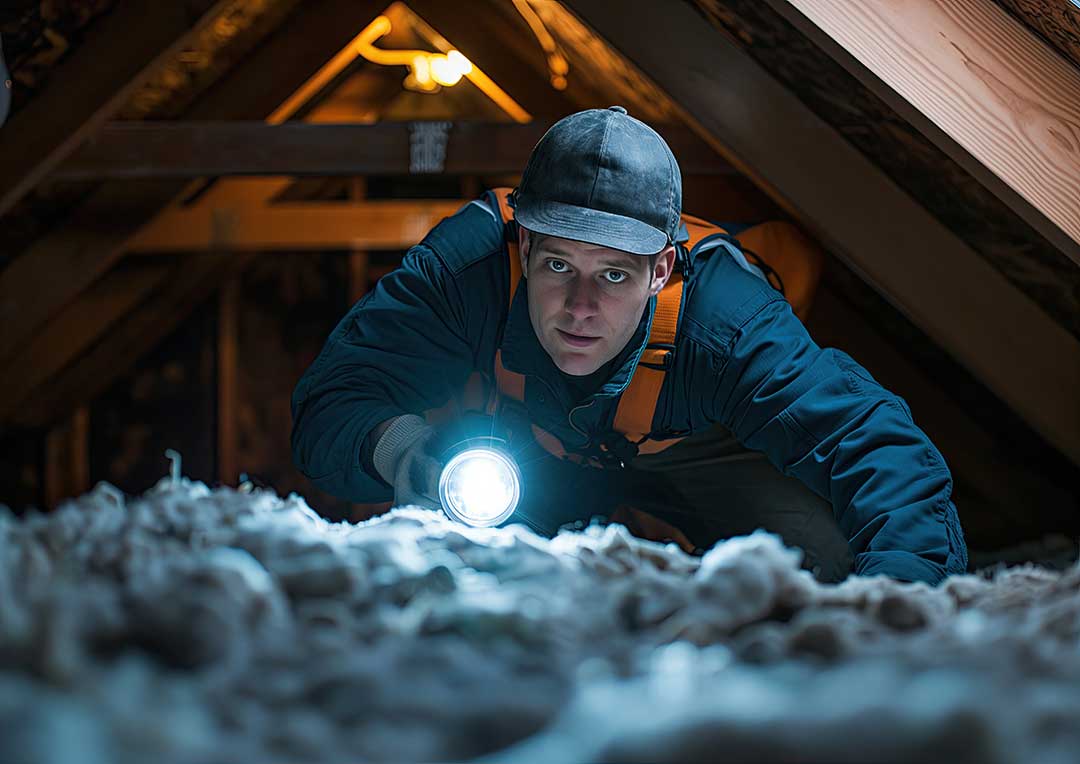
Attic ventilation—or lack of it—also comes up, as insufficient airflow can cause condensation buildup. This may appear as mold growth or warped boards, especially after snowy seasons. Homeowners sometimes assume a roof is sound based only on exterior looks, so inspectors carefully check both outside and inside for less obvious damage.
Where Do Foundation and Drainage Problems Usually Occur?
Cracks in foundations or basement walls are particularly relevant in areas like Bourbonnais, where clay soils expand and contract with moisture changes. Home inspectors often flag:
- Stair-step cracks in brick or block walls
- Gaps near windows or doors signaling shifting structures
- Signs of water intrusion, such as efflorescence (white mineral deposits), damp patches, or active leaks
Gutters and grading around the foundation matter, too—improper slope can send water toward the house rather than away, increasing the risk of basement seepage. Many drainage issues stem from downspouts that don’t extend far enough out or clogged gutters, both of which are simple for homeowners to overlook.
What HVAC Concerns Are Discovered in Area Homes?
HVAC system health is routinely checked. Furnaces and air conditioners in the region work hard, and inspectors may spot:
- Filters clogged with dust or pet hair, reducing air quality and system efficiency
- Improperly vented exhaust pipes, sometimes releasing dangerous carbon monoxide into living spaces
- Outdated or rusted parts in units near the end of their expected lifespan
Older homes sometimes still use outmoded heating methods that lack modern safety features. Misconceptions abound—some owners think heating and cooling systems can be ignored for years as long as they turn on, but inspections often reveal issues that could lead to breakdowns during extreme temperatures.
Are There Common Safety Hazards Found?
General safety hazards show up surprisingly often, regardless of home age. These findings include:
- Loose or missing handrails at stairs, creating fall risks
- Smoke detectors missing batteries or located too far from sleeping areas
- Unsafe fencing, decks, or porches with loose boards or rotted posts—more common after long winters or heavy rain
Sometimes, previous repairs are improvised or unfinished, leaving trip hazards, exposed wires, or sharp edges. Even well-cared-for homes can have these overlooked dangers.
What Are Less Obvious Issues Residents May Miss?
Not every issue is dramatic. Inspectors often note smaller points that, if ignored, can grow into bigger concerns. Examples include:
- Deteriorated caulking around windows and bathtubs, leading to moisture intrusion
- Minor wood rot at windowsills or door frames, especially on north-facing walls that stay damp longest
- Outdated insulation, resulting in higher utility bills during cold snaps or summer heat waves
Mold or mildew odors can also signal slow leaks or consistently high humidity—conditions that may seem minor but can affect long-term indoor air quality.
How Can Regular Checks Help Prevent Bigger Problems?
Routine visual checks by residents can catch early warning signs such as drips, cracks, or unusual drafts. By paying attention to small changes—like sticking doors, rising energy bills, or new water stains—homeowners can address concerns before they worsen.
Understanding which issues are especially common for local homes—due to age, climate, or building styles—empowers area households to maintain safer, healthier environments for themselves and future occupants.