What Should Residents of Bourbonnais, IL Expect During a Home Inspection?
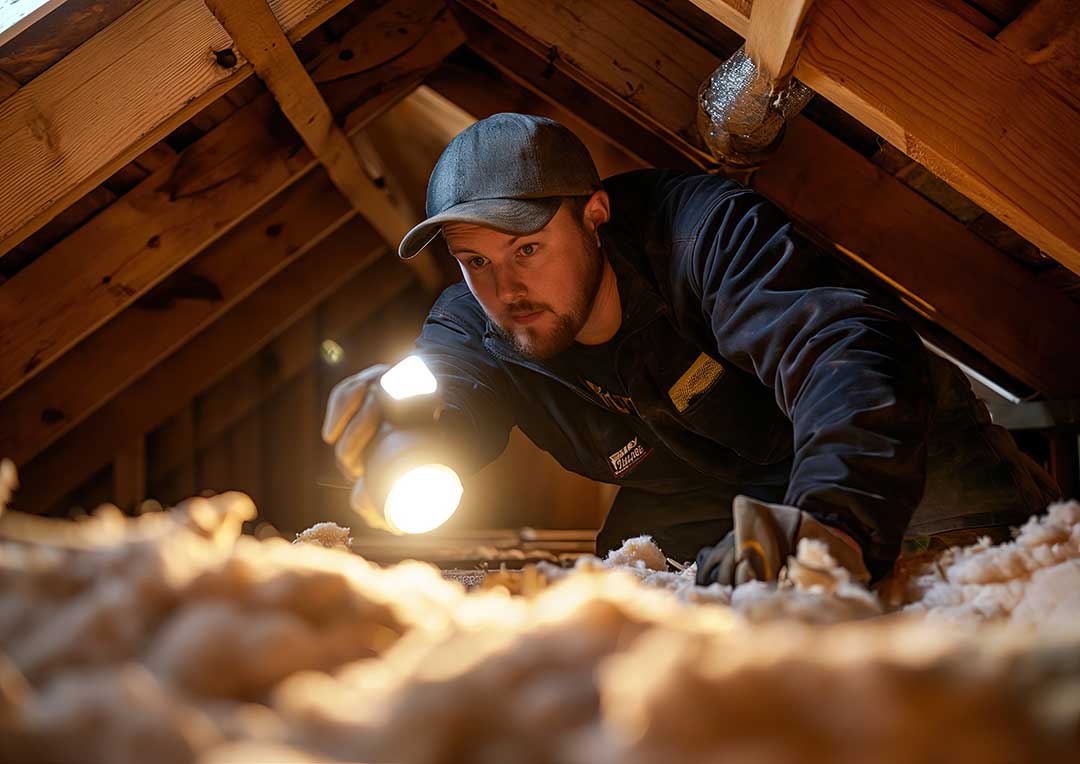
A professional home inspection in Bourbonnais involves a trained inspector examining the property’s systems and structure. The process usually takes a few hours and covers everything from the roof to the basement, including electrical, plumbing, and HVAC components. Inspectors need clear access to key areas, and their findings help buyers, sellers, or owners understand a home’s condition.
Local homes often have basements, crawlspaces, and garages relevant in area properties. Because the inspection covers visible and accessible elements, preparing the home ensures a thorough and accurate evaluation.
How Can Homeowners Ensure Access to Critical Home Areas?
Making sure inspectors can easily reach all parts of the property is essential. If anything blocks utilities, crawlspaces, attics, or electrical panels, it delays or restricts the evaluation.
Common accessibility tips for area properties:
- Unlock any doors, gates, or sheds that are typically secured.
- Move personal belongings, vehicles, or storage items away from furnace rooms, water heaters, electrical panels, and entrances to crawlspaces or attics.
- Keep basement stairs clear, especially in homes where storage commonly collects there during the winter.
- If there’s an outdoor crawlspace access, remove snow, debris, or yard items that could be blocking entry.
Which Maintenance Tasks Should Be Completed Before Inspection?
Routine upkeep helps present the home’s systems in typical working order. Inspectors will note signs of neglect or deferred maintenance, so addressing straightforward items can improve clarity.
Focus on:
- Replacing blown light bulbs to verify fixtures and wiring are functional.
- Testing smoke and carbon monoxide detectors to ensure they have batteries and function as required by local safety codes.
- Cleaning gutters and downspouts, especially in fall and spring months, to demonstrate well-maintained drainage—an important issue in this region’s climate.
- Checking that toilets, faucets, and drains operate without leaks or clogs. Fix slow drains or trickling toilets, as these minor issues will be noted.
Small actions such as clearing dried leaves from window wells, trimming shrubs near foundation walls, or removing mud from exterior stairways can show a home is cared-for and reveal potential issues the inspector should see.
What Should Be Disclosed or Pointed Out to the Inspector?
Transparency helps both the inspector and the homeowner. Any repairs, upgrades, or known defects can be discussed so the inspector can spot prior work or potential concerns.
Prepare to share:
- The age and service records of HVAC units, water heaters, and roofs—these are common points of concern for area buyers and can inform the inspection considerably.
- Locations of shut-off valves for water, gas, and electricity, which may be located in unique places in older Bourbonnais homes.
- Past problems like basement seepage, repaired foundation cracks, pest activity, or roof leaks, even if they seem resolved. The inspector will be more thorough if they know what to look for.
How Should Pets and Personal Items Be Handled?

To keep the inspection efficient and safe for all, household pets should be secured or removed on inspection day. Inspectors may enter spaces that are usually off-limits to animals, like utility rooms or backyards. For privacy and security:
- Secure valuables, confidential documents, and medication in a safe location, out of sight and reach.
- Store firearms, sharp tools, or hazardous chemicals, particularly in garages or sheds, where inspectors need to look.
Are There Any Season-Specific Preparation Tips for Bourbonnais Homes?
The region’s seasons bring challenges that affect inspections. In winter, snow and ice may block access to exterior systems or attic vents, while spring rains can spotlight drainage or grading issues. Consider:
- Shoveling walkways and clearing ice before the inspector’s arrival.
- Ensuring the furnace, backup sump pump, and dehumidifiers are operational during cold months.
- Unblocking outdoor hose bibs, A/C units, or ventilation screens that could get hidden by snow or overgrown plants.
- Providing a safe path to all entryways, especially if inspection occurs during muddy or snowy months.
What Are Common Misconceptions About Preparing for Inspection?
A frequent misunderstanding is that homeowners must present their property in “perfect” or pristine condition. Inspectors expect homes to show normal wear and tear. The goal is not to hide defects but to show the real state of the property. Another misconception is that the homeowner must remain present and answer every question; many inspectors actually prefer space to work independently and will follow up after the review with findings or questions.
What Happens If Some Areas Are Inaccessible?
If an attic hatch, crawlspace entrance, or utility panel is blocked, the inspector will typically note the limitation in their final report. This can lead to follow-up visits or uncertainty for buyers or current owners. Preparing ahead of time avoids incomplete reports and clarifies the home’s true condition.