Buying a home is a major milestone, especially in charming communities like Bourbonnais, Illinois. Nestled along the Kankakee River, Bourbonnais is known for its tight-knit neighborhoods and friendly Midwestern vibe. But whether you’re hoping to settle in a family-friendly cul-de-sac or a quieter rural edge of town, it’s crucial to approach the purchase with a sharp eye. Even homes in the best neighborhoods can hide costly problems. Let’s break down how to spot warning signs before buying a house—saving you time, money, and future headaches.
Why Inspecting Thoroughly Matters in Bourbonnais
The local real estate market in Bourbonnais is diverse, with homes ranging from historic century-old houses to newer developments. Weather patterns, including cold winters, heavy rainstorms, and humid summers, can take a toll on properties here. That makes a careful evaluation essential for any home buyer.
The Exterior: What to Look For Before You Step Inside
- Roof Condition: In Bourbonnais, snow and ice buildup in winter are tough on roofs. Look for missing shingles, sagging, or signs of moss and algae.
- Foundations and Grading: Walk around the exterior. Large cracks, uneven areas, or water pooling near the home can indicate foundation settlement—a bigger risk in seasons of heavy rainfall.
- Siding and Paint: Peeling paint or warped siding can be more than cosmetic issues; they may reflect deeper moisture damage, especially critical with the area’s humidity.
- Gutters and Drainage: Are the gutters clear and directing water away from the house? Poor drainage can lead to basement flooding, a common concern in Illinois.
Windows, Doors, and Entrances
- Drafts and Seals: Feel for cold air or moisture around windows and doors. Seals that fail can drive up energy bills during Bourbonnais winters and hint at potential mold issues.
- Operation: Open and close windows and doors to check for ease of use. Sticking may indicate foundation problems or poor installation.
Basement and Crawl Spaces: Hidden Trouble Spots
Basements are a staple in many Bourbonnais homes. Due to seasonal ground moisture, buyers should pay special attention to these areas.
- Moisture and Mold: Check for a musty smell or visible signs of mold, which thrive in damp Illinois basements.
- Cracks and Efflorescence: White, chalky deposits or spiderweb cracks may indicate past water issues or shifting foundations.
The Roof and Attic: Protection from the Elements
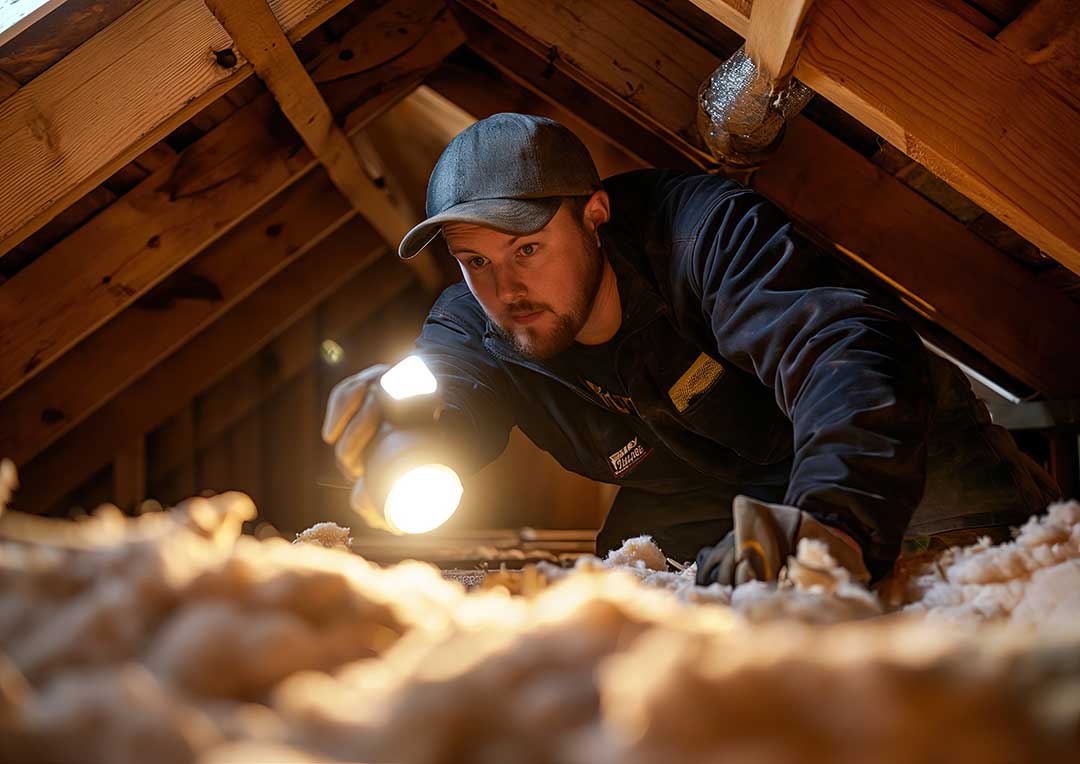
- Insulation and Ventilation: Proper insulation keeps your house warm during minus-degree January days and cool in steamy summers. Peek into the attic to ensure insulation is present and evenly distributed.
- Visible Leaks: Water stains, warped wood, or mildew odors are serious warning signs of roof damage or poor ventilation, both common after snow melts.
Plumbing and Electrical: The Systems You Can’t Ignore
- Pipe Condition: In vintage Bourbonnais homes, galvanized plumbing may be approaching the end of its lifespan. Look under sinks and exposed pipes for rust, signs of leakage, or corrosion.
- Water Pressure: Turn on faucets and showers to check for steady flow—poor pressure can indicate hidden leaks or clogs.
- Electrical Panel: The panel should be clearly labeled, up-to-date, and not overloaded. Flickering lights or ungrounded outlets may require costly upgrades.
Heating, Cooling, and Appliances
- Age and Maintenance: Many Illinois homes rely on forced air furnaces and central air. Ask about the age of HVAC systems and check for recent service records.
- Odd Noises or Odors: Rattling or banging from the furnace or strange smells could signal a failing system.
Signs of Past Flooding or Water Damage
Residents of Bourbonnais are familiar with spring thaws and storms. Look for:
- Stains on Walls or Ceilings: Discoloration can reveal leak history, especially in basements and lower levels.
- Soft or Warped Floors: Water-damaged subflooring may give way underfoot or look rippled.
Neighborhood-Specific Red Flags
Every community has unique quirks. For example, if you’re eyeing a home near Perry Farm Park, consider possible soil drainage issues after heavy rain. In older downtown areas, be aware of aging infrastructure, such as clay sewer lines or outdated electrical wiring.
Bonus Tips for Bourbonnais Homebuyers
- Research Flood Zones: Consult local maps to determine if your potential home is in a designated floodplain—a concern during spring rainstorms.
- Check with Locals: Don’t hesitate to ask neighbors about the area’s quirks. Bourbonnais residents are known for Midwest hospitality and may have valuable insights about neighborhood issues.
- Hire a Trusted Inspector: Even if you spot no obvious issues, a professional inspection is essential. Local inspectors are familiar with Bourbonnais-specific risks, including soil movement and weather-related wear.
Final Thoughts: Peace of Mind Before You Buy
Buying a house in Bourbonnais, Illinois, means investing in a welcoming community and a slice of Midwest charm—but you need to go in prepared. Use this checklist to identify warning signs and avoid expensive surprises down the road. Inspect carefully, ask questions, and consider partnering with a knowledgeable local expert to guide your purchase decision.
A little caution now ensures that you’ll love your new home in Bourbonnais for years to come.
About the Author
Luke Anglea
Luke Anglea is SLS Home Inspections’ owner and lead inspector. Luke brings his naturally analytical mindset to home inspections along with great attention to detail. When he is not inspecting houses he enjoys hiking, reading and traveling with his family. Luke lives in Bourbonnais, IL with his wife Jessica and their four sons.