Do Home Inspectors Look for Termites?
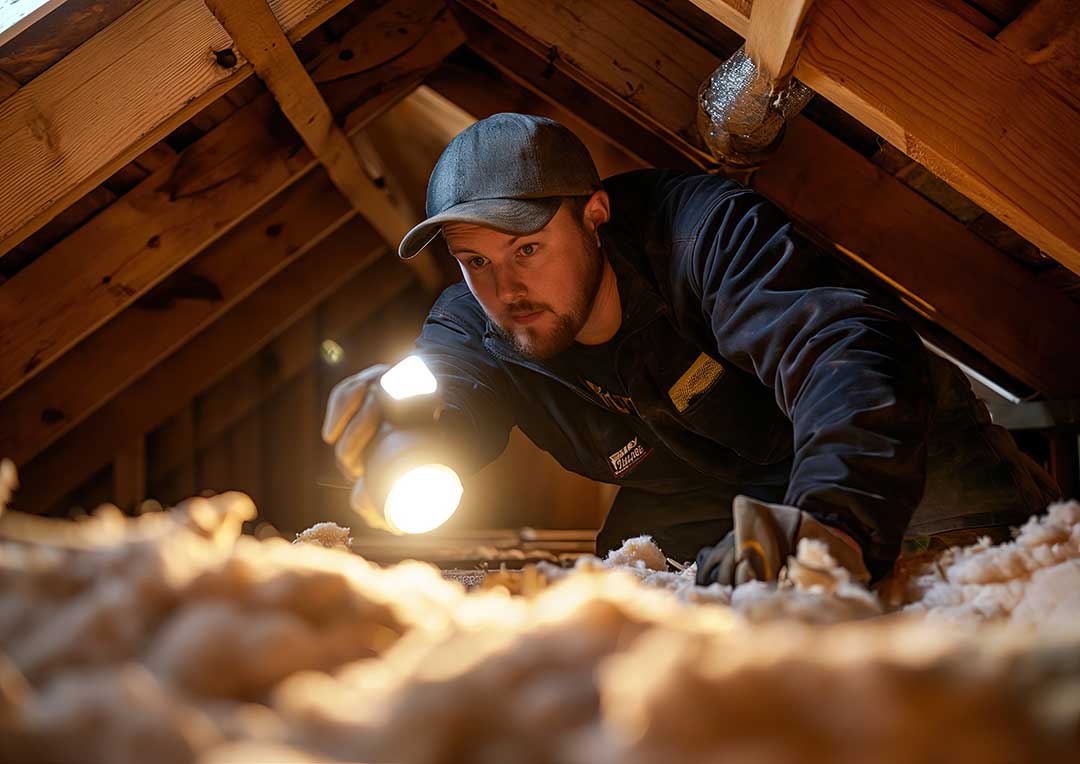
Most standard home inspections in Bourbonnais, IL do not include a full termite inspection. Instead, inspectors will often look for obvious signs of wood-destroying insect activity as part of their overall examination of the property. However, a dedicated termite or wood-destroying insect (WDI) inspection is a separate, specialized service that is not automatically part of a routine home inspection.
During a typical home inspection, the inspector might note visible evidence of possible termite activity, such as damaged wood, mud tubes along the foundation, or wings shed by swarming insects. If anything suspicious is seen, the report will usually recommend further evaluation by a licensed pest professional.
Why Are Termite Inspections Separate?
Termite inspections require specific training, licensing, and protocols that go beyond the general scope of a home inspection. A standard home inspector is focused on evaluating the condition of the property’s main systems—roof, structure, plumbing, electrical, and more. Training for wood-destroying insect detection usually involves extra certification, and many home inspectors in the area are not licensed to provide an official termite inspection report.
In Bourbonnais, as in many Midwestern communities, lenders may require a wood-destroying insect inspection before finalizing a mortgage. This is especially common for VA and FHA loans. These inspections are more comprehensive and can include probing wood, checking crawl spaces, and examining less visible areas that might escape a general home inspector’s attention.
What Signs of Termite Activity Might a Home Inspector Notice?
While not conducting a full termite inspection, a home inspector may report:
- Soft or hollow-sounding wood, especially near windowsills, beams, or baseboards
- Visible mud tubes (narrow tunnels made of dirt and debris on exterior or interior walls)
- Tiny, pellet-like droppings or “frass”
- Discarded insect wings near doors or windows
- Blistering or sagging areas in wood floors or trim
In the climate of Bourbonnais, hidden moisture from seasonal rains or humidity can increase the risk of termite activity, making vigilance for these clues especially useful. However, these signs can be subtle or located in out-of-the-way areas that only a full termite inspection would check.
How Is a Termite Inspection Different From a Home Inspection?
A termite or wood-destroying insect inspection involves:
- Careful examination of wood framing, subfloors, and support beams
- Probing and testing wood for internal damage that may not be externally visible
- Inspecting attics, crawl spaces, and foundations more closely than during a standard home inspection
- Checking for other wood-destroying organisms, such as carpenter ants or powderpost beetles
Reports from these specialized inspections are often required by lenders and may be needed for real estate transactions or peace of mind, even for current homeowners.
How Common Are Termite Problems in Bourbonnais?
Termites are a concern throughout much of Illinois due to the region’s climate and building patterns. Bourbonnais, with its mix of older and newer homes—many with wood framing and basements—faces similar risks as other areas with moist soil and periods of high humidity.
For example, spring and summer rains can lead to damp conditions near foundations—an ideal environment for subterranean termites. Local homes that have experienced water leaks, pooling near the base, or insufficient ventilation in crawl spaces may be especially susceptible.
What Happens If a Home Inspector Suspects Termite Activity?
If a home inspector notes evidence that may suggest the presence of termites or other wood-destroying insects, the inspection report will usually highlight these findings in a special section. Typical next steps include:
- Outlining the suspicious areas or types of evidence observed
- Recommending a thorough inspection by a licensed pest professional
- Advising the homeowner or buyer about potential impacts on wood structures, repair needs, and further risks
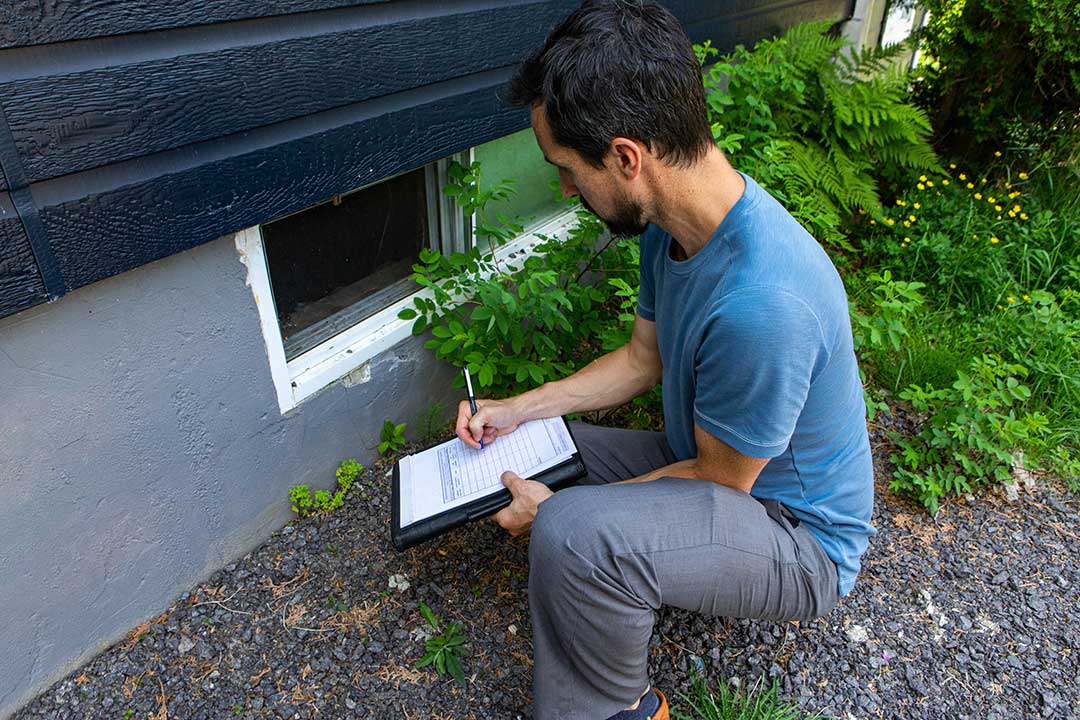
This information is meant to help homeowners or buyers make informed decisions based on observable conditions—not as a guarantee that termites are present or absent.
Can Homeowners Check for Termites Themselves?
While property owners can watch for some evidence—like mud tubes along the foundation or piles of wings—many signs of infestation are easy to overlook without training. Hidden structural damage can develop unnoticed for months or even years. For those living in older homes or areas with heavy moisture, making a habit of checking exposed wood in basements, crawl spaces, or unfinished areas is worthwhile. Still, only a specialist can confirm the type and extent of any infestation.
What Are Common Misconceptions About Termite Inspections?
Several myths are common in Bourbonnais area households:
- “If I had termites, I would see them.” In reality, termites are secretive, and most people discover them only after significant damage has occurred.
- “A home inspection always covers termites.” Standard home inspections generally do not include a formal termite report.
- “Only old homes get termites.” Any structure with wood, regardless of age, can be at risk if conditions are favorable.
What Steps Can Area Residents Take to Reduce Risk?
While a general inspection may catch some issues, layers of prevention make a difference for many local households. Consider:
- Keeping wood and plant material away from the exterior foundation
- Managing drainage—ensuring gutters, downspouts, and grading move water away from the base of the home
- Addressing leaks and reducing indoor humidity, especially in crawl spaces or basements
- Scheduling regular checks for signs of pests in areas prone to moisture buildup
Awareness of the distinction between home inspections and termite inspections helps local residents understand what to expect during property evaluations.