


Are Home Inspections Really Worth the Expense?
For many people in Bourbonnais, the question of whether a home inspection justifies the cost comes up during the excitement—and stress—of buying or selling a house. The answer is: for most buyers and sellers, a home inspection provides insights and financial protection that usually far exceed its price. Understanding why helps clarify when skipping an inspection may—or may not—be worth the risk.
What Does a Home Inspection Actually Include?
A typical home inspection in the city involves a detailed, non-invasive evaluation of a property's visible and accessible features. The inspector checks the condition of the home’s structure, mechanical systems, and various components, including:
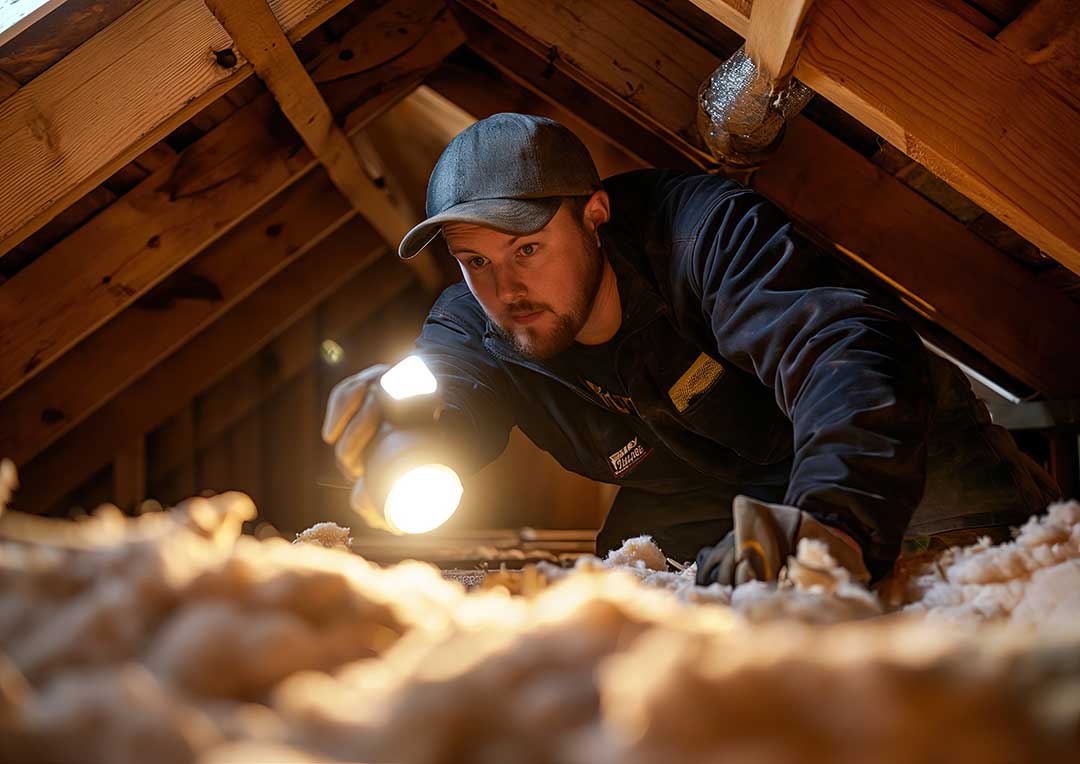
- Roof, attic, and visible insulation
- Foundation and basement (if present)
- Heating, cooling, and ventilation systems
- Electrical wiring and fixtures
- Plumbing systems
- Windows and doors
- Interior finishes and built-in appliances
For houses in Bourbonnais, this covers what’s most often affected by Midwest weather—such as seasonal moisture shifts in basements, attic insulation critical for energy bills, and aging HVAC systems that contend with both cold winters and hot, humid summers.
What Risks Do Home Inspections Help Uncover?
Home inspections often reveal concerns not obvious to buyers or sellers. In Bourbonnais, common findings include:
- Water intrusion or foundation movement from freeze-thaw cycles
- Mold or moisture issues in basements and crawl spaces
- Deficient insulation or outdated HVAC components
- Hidden termite or pest damage, especially around wood framing and exterior walls
- Evidence of past DIY repairs that need correction
Discovering these issues before purchase gives buyers a realistic sense of any future repairs or safety concerns, while sellers gain awareness before listing or negotiating.
How Much Do Home Inspections Cost Locally?
In the area, a standard home inspection typically runs from $350 to $500 for average-sized, single-family homes. Costs may climb for larger properties, homes with outbuildings, or additional services such as radon testing or sewer scoping. In context, this price is a small percent of the total sale and far less than the cost of a surprise repair down the road.
Are There Times When Skipping an Inspection Makes Sense?
There are limited scenarios where a home inspection might be optional for local buyers, such as:
- Purchasing new construction covered by builder warranties
- Buying homes “as-is” at auction with a clear understanding of the risks
- Investors or contractors who understand repair costs and risks
For most residents making such a significant financial commitment, opting out usually means forfeiting critical information about property safety, code compliance, and true condition.
What Do Home Inspection Reports Help With Besides Buying?
While inspections are best known for the buying process, local residents also use inspection reports to:
- Understand ongoing maintenance needs after moving in
- Prioritize necessary updates or energy efficiency improvements
- Plan for near-term expenses, like roof replacement or HVAC upgrades
- Establish a baseline condition for insurance or estate planning

The detailed summary that comes with most inspections becomes a useful tool not only at purchase but for years later, especially in the varied climate and aging housing stock in Bourbonnais.
Are All Issues Found in Inspections Major or Expensive?
Many inspection findings are relatively minor—loose railings, missing outlet covers, or dripping faucets. These are common in older homes throughout the city. A neutral home inspection report distinguishes between normal maintenance items and major defects that require significant investment or pose health risks. For buyers and sellers, this prevents overreaction to cosmetic details and focuses negotiation or repairs on the truly important issues.
Can You Rely on a Home Inspection Instead of Other Disclosures?
Home inspections complement, but do not replace, required seller disclosures under state law. Some issues, like prior flooding or the presence of asbestos, must be disclosed even if an inspector does not identify them. Smart buyers in Bourbonnais review both disclosure forms and the inspection report for a fuller picture of the property’s history and current state.
How Quickly Are Results Delivered, and What Happens Next?
Most inspectors in the community provide a written, photo-documented report within a day or two of visiting the property. Buyers then review findings and may request repairs, credits, or price changes based on uncovered concerns. Sellers sometimes use a pre-listing inspection to avoid surprises. Timely reporting is especially valuable in fast-paced local real estate deals.
How Is a Home Inspection Different from an Appraisal?
While both processes are part of many real estate transactions, they serve different purposes. An appraisal measures market value for a lender, based on comparable sales and property condition; it does not detail repair needs. An inspection, in contrast, takes a deep look at physical systems and identifies both visible concerns and maintenance issues—helping buyers make choices that go beyond just the price tag.
What Should Bourbonnais Residents Expect If Major Problems Are Found?
If a home inspection in Bourbonnais uncovers major issues—such as significant water damage, unsafe wiring, or foundation cracks—buyers can typically:
- Renegotiate price or request repairs before closing
- Walk away from the transaction if contingencies allow
- Accept the home as-is and make repairs themselves, often using the inspection as a repair guide
For sellers, addressing repairs before listing or disclosing known issues upfront can prevent delays and surprises later in the process.
Large vs. Small Homes: Does Size Matter for Inspections?
Larger homes or those with additional features like detached garages, pools, or older mechanical systems may require longer inspections or come with higher fees. However, the general findings and recommendations in the report are similar across most property types and ages, reflecting the most relevant risks for houses in the local Midwest climate.


