


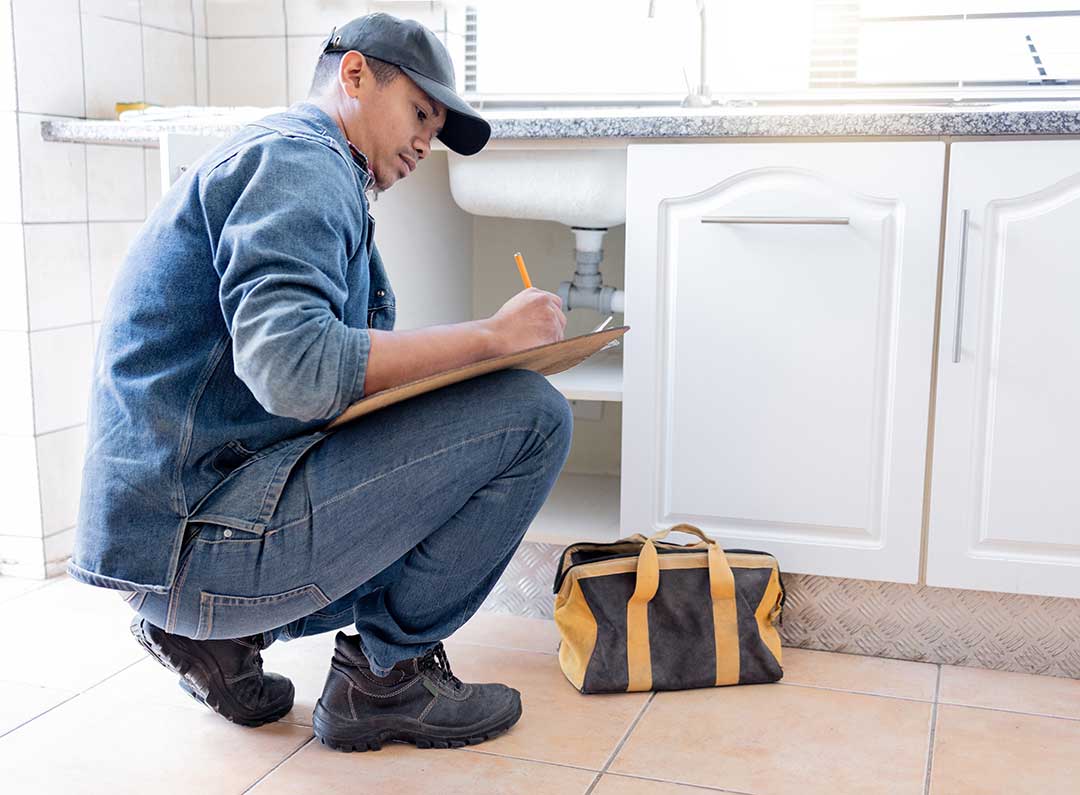
Is It Necessary to Attend Your Home Inspection in Bourbonnais, IL?
It’s not required by law to attend your home inspection, but many residents find it beneficial. Being present gives you a firsthand look at the property’s condition and an opportunity to discuss potential concerns directly with the inspector. In Bourbonnais, attending can provide added local perspective, especially with unique weather patterns and housing types found in the community.
What Do You Gain by Attending the Inspection?
You’ll gain a clearer, more personal understanding of the property’s strengths and weaknesses. Instead of relying on a written report alone, you can see issues in context—cracks in masonry affected by freeze-thaw cycles or attic ventilation that matters for year-round comfort in northern Illinois climates.
Benefits include:
- Getting real-time explanations about findings
- Asking specific questions about local concerns such as ice damming, sump pump use, or common material wear in the area
- Observing which issues are superficial and which may require a closer look
Many who attend their inspection in the city feel more confident about what to expect or negotiate, especially when it comes to routine maintenance that might be more common in local homes, like testing sump pumps or checking for proper grading to handle seasonal rain and snow melt.
What Are Common Misconceptions About Attending a Home Inspection?
A frequent misconception is that your physical presence will influence the inspector’s findings or the report’s thoroughness. In reality, a reputable inspector will follow the same standards whether or not you’re present. Attending simply gives you more context.
Another error is assuming you need to check every detail yourself. Instead, focus on listening to the inspector’s observations and asking questions—especially about features that change with Bourbonnais’s seasonal shifts, like insulation in attics or foundation drainage.
Can You Participate Actively, or Should You Stand Back?
You should allow the inspector space and time to work, but it’s encouraged to join the walk-through during the summary review. This is often scheduled near the end, giving a chance to discuss findings directly without distracting the inspector during testing or documentation.
Questions you might ask:
- “Is this small crack typical for our local soil conditions?”
- “Will this type of window hold up well during area winters?”
- “How often do you see this style of water heater in area homes, and is it near end-of-life?”
If you’re unsure about how involved to be, most inspectors in the community welcome questions at appropriate points, especially regarding features unique to the types of homes common in the area.
What If You Can’t Attend?
If you can’t attend your inspection, you’re not alone. Many residents rely entirely on the inspection report. In these cases, ask for extra photos or a follow-up call to discuss major findings. Some inspectors may offer virtual walk-throughs or detailed video summaries, which can be especially helpful if you’re relocating within or to the area.
Are There Local Factors That Make Attendance More Useful?
Bourbonnais households benefit from attending inspections for several locally-relevant reasons:
- Soil and seasonal movement: Area properties can experience minor foundation shifts from wet springs and cold winters, so seeing cracks or settling in person is helpful.
- Drainage and grading: Local flat lots or older neighborhoods may have specific runoff concerns, and seeing water marks or exterior grading firsthand aids understanding.
- Common updates: Homes built between the 1960s and 1990s often have similar roofing materials, insulation, or mechanical systems. Observing their current state helps judge what is considered typical for the area.
- Neighborhood quirks: You might notice stormwater ditches, mature trees near foundations, or other local conditions with direct impact on long-term maintenance.

What Should You Bring If You Attend?
Plan to dress for comfort, especially if parts of the inspection are outdoors or in attics and crawlspaces. Consider bringing:
- A notepad or digital device for your questions
- A flashlight for poorly lit basements or attics
- Shoes suitable for walking around the yard or unfinished spaces
- Your original purchase agreement or seller’s disclosures to cross-reference key details
Some residents also like to bring a tape measure or camera for personal reference photos, as long as this doesn’t disrupt the inspection.
Do You Need to Worry About Safety or Restrictions?
Most home inspections are straightforward, but you should follow any safety instructions given by the inspector—especially around attics, crawlspaces, or with older electrical panels. In new construction or remodeled properties, access may be limited to protect both the client and the property. Children or pets should not attend, as the process can include hazardous areas or require focus. In multi-family buildings or shared-property situations in the city, respect rules regarding common spaces.
How Long Should You Expect to Stay?
Home inspections in the area typically last two to three hours for a standard single-family property, sometimes longer for larger or older homes. Most residents stay for the summary at the end and the tour of key findings, which usually takes 30–45 minutes. Some prefer to arrive after the initial inspection tests are completed.
Can You Attend an Inspection if You’re Not the Buyer?
Generally, inspections are intended for the buyer and their agent, but sellers or trusted advisors may attend if arranged in advance. In all cases, limiting the group size is helpful to allow the inspector to work efficiently. If you’re a renter or involved in an estate transaction, clarify with the homeowner or listing agent about attendance etiquette.


